Key takeaways
- A plat is the legal map that creates lots, streets and easements.
- Preliminary plat approval comes before engineering is finalized.
- Final plats are recorded after infrastructure is built or secured.
- Staying consistent between the plat and construction drawings avoids rework.
What a plat does
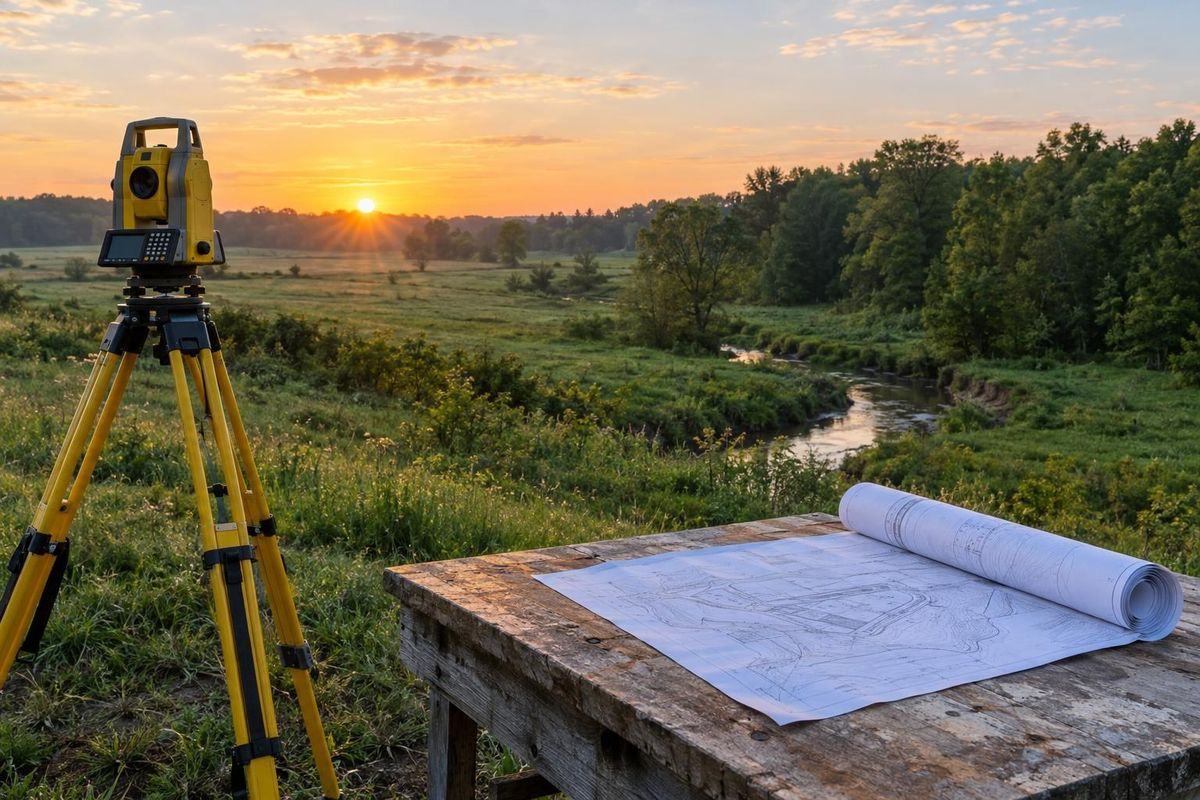
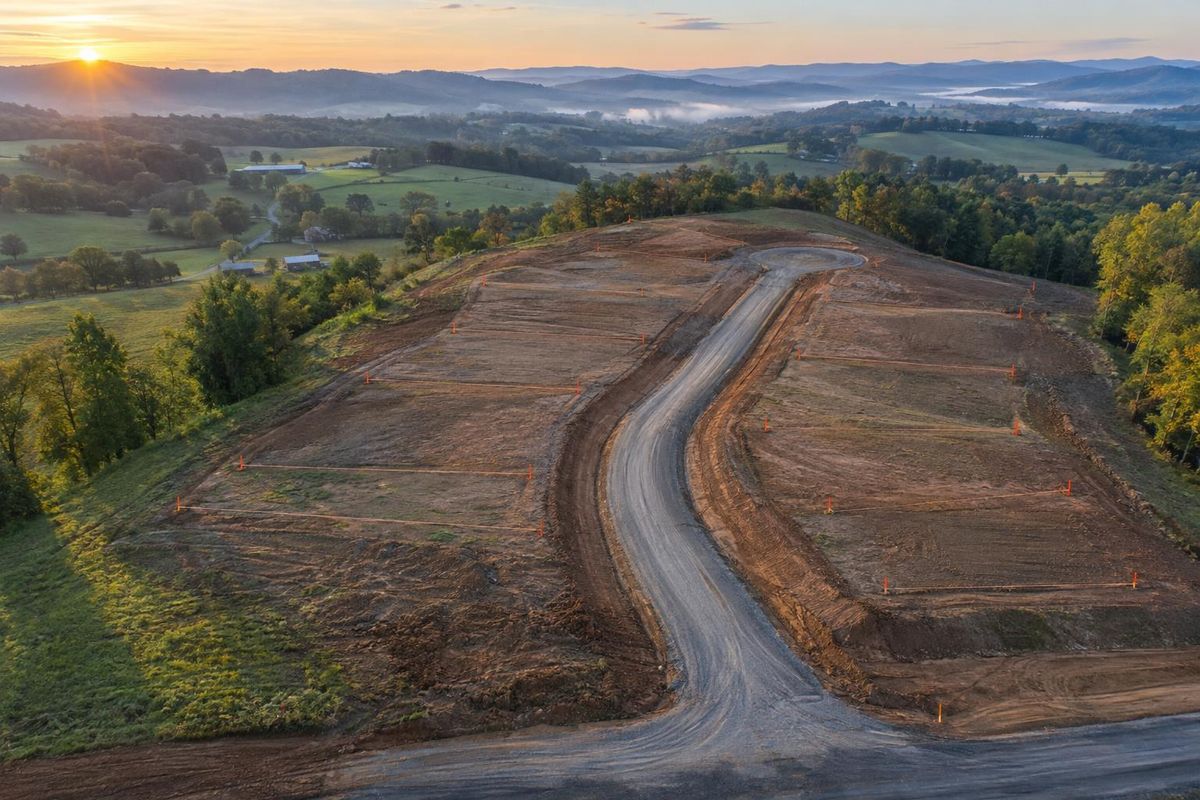
A plat is a survey drawing that divides a parcel into lots and shows streets, easements, open space and dimensions. When the plat is approved and recorded at the county register of deeds, those lots legally exist and can be sold and built on.
Plats also record rights-of-way, drainage and utility easements and any conditions of approval.
Concept and preliminary plat
The process usually starts with a concept plan, tested against zoning and the area plan. Next comes a preliminary plat, which shows the proposed layout in enough detail for staff and the planning commission to review. Comments and conditions come back at this stage.
A good preliminary plat reflects the site's real constraints: slopes, streams, trees and drainage.
Construction drawings and approvals
After preliminary approval, engineers prepare construction drawings for roads, water, sewer, stormwater and grading. These are reviewed by the city or county and by utilities. Permits for grading and stormwater are obtained.
The drawings must match the plat. Differences can trigger revisions and delays.
Final plat, bonds and recording
When infrastructure is built and accepted, or a bond or letter of credit secures its completion, the final plat is approved and recorded. Bonds are common so a developer can record lots while some work, such as final paving, finishes.
After recording, lots can be conveyed and building permits issued.
Official sites to explore
Brand names and logos belong to their owners. These links open the official websites in a new tab, and we are not affiliated with them.
Quick answers
Is every lot split a subdivision?
In most places, yes, but small splits may have a simpler process. The local planning office can tell you.
Who prepares the plat?
A professional land surveyor prepares and signs it, usually working with the civil engineer.
When can lots be sold?
Generally after the final plat is recorded, subject to local rules and any bond conditions.