Key takeaways
- Development has distinct stages: find land, test it, win approvals, build the infrastructure, then build homes.
- Most delays come from approvals and utilities, not from construction.
- Each stage needs different professionals, so coordination matters.
- A clear phase plan keeps a large project understandable and workable.
The stages in order
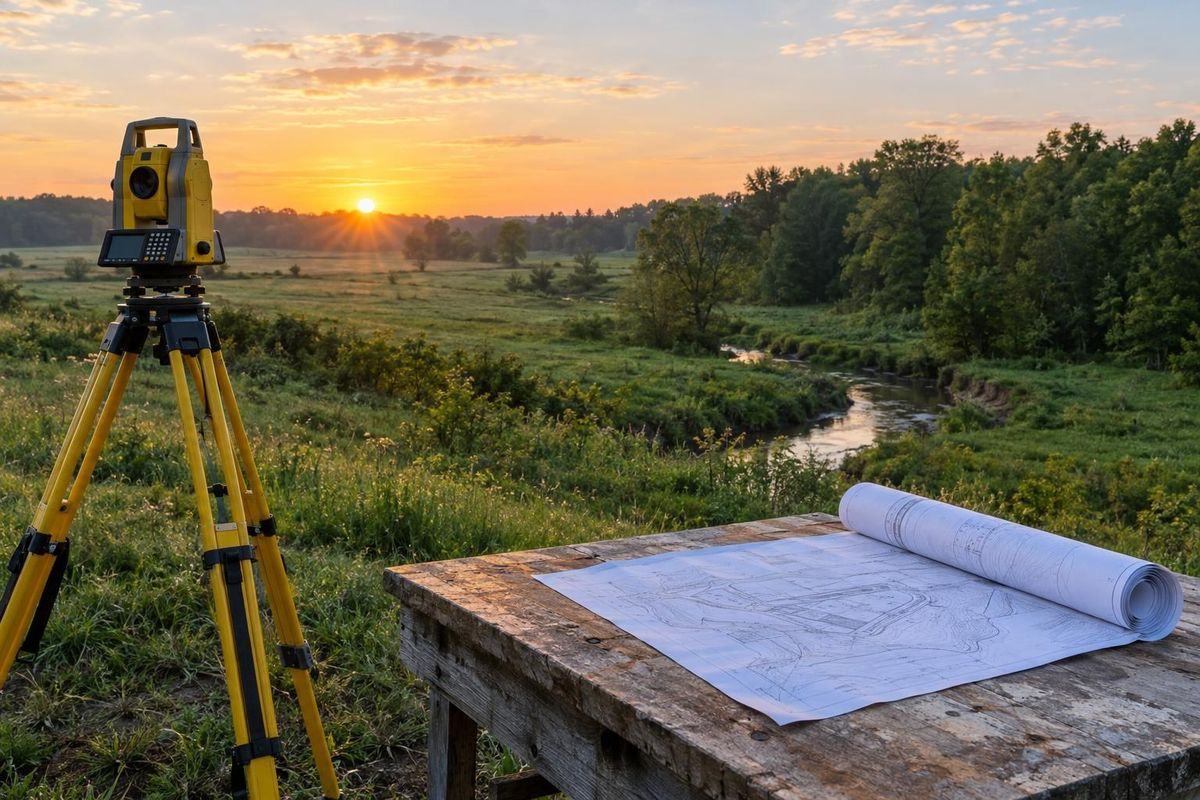
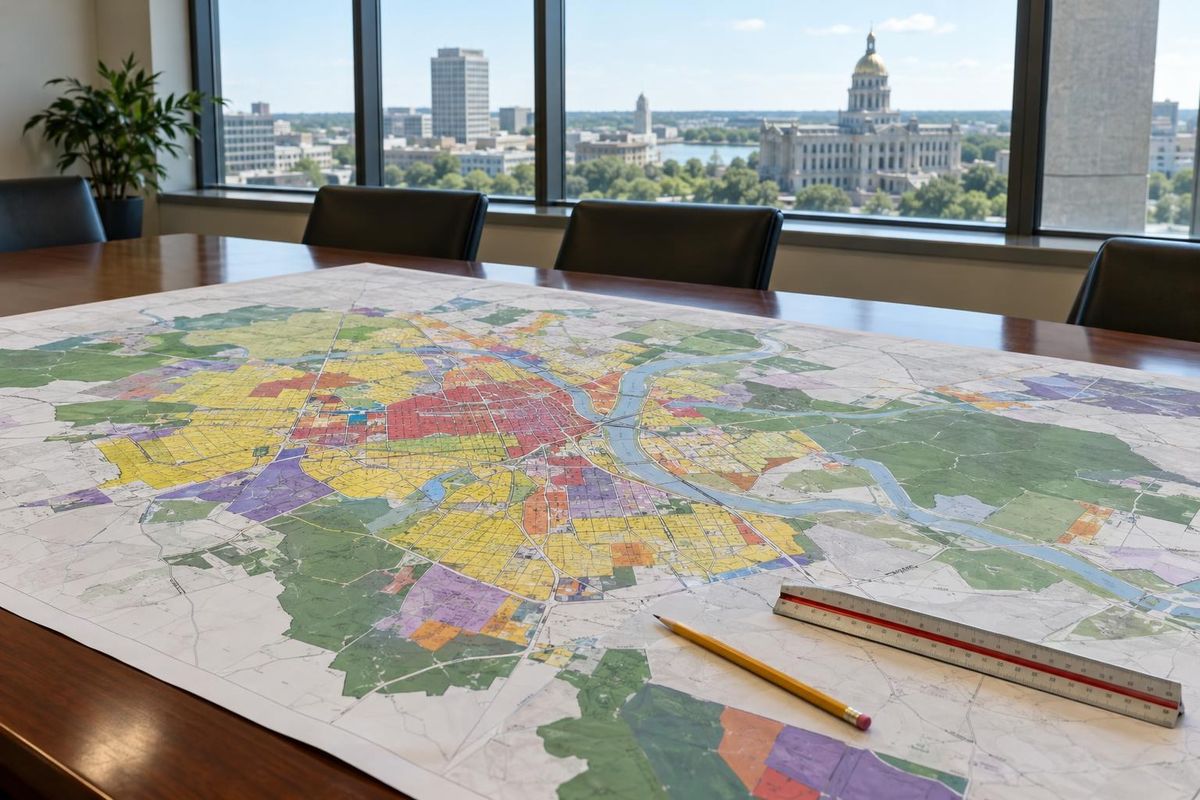
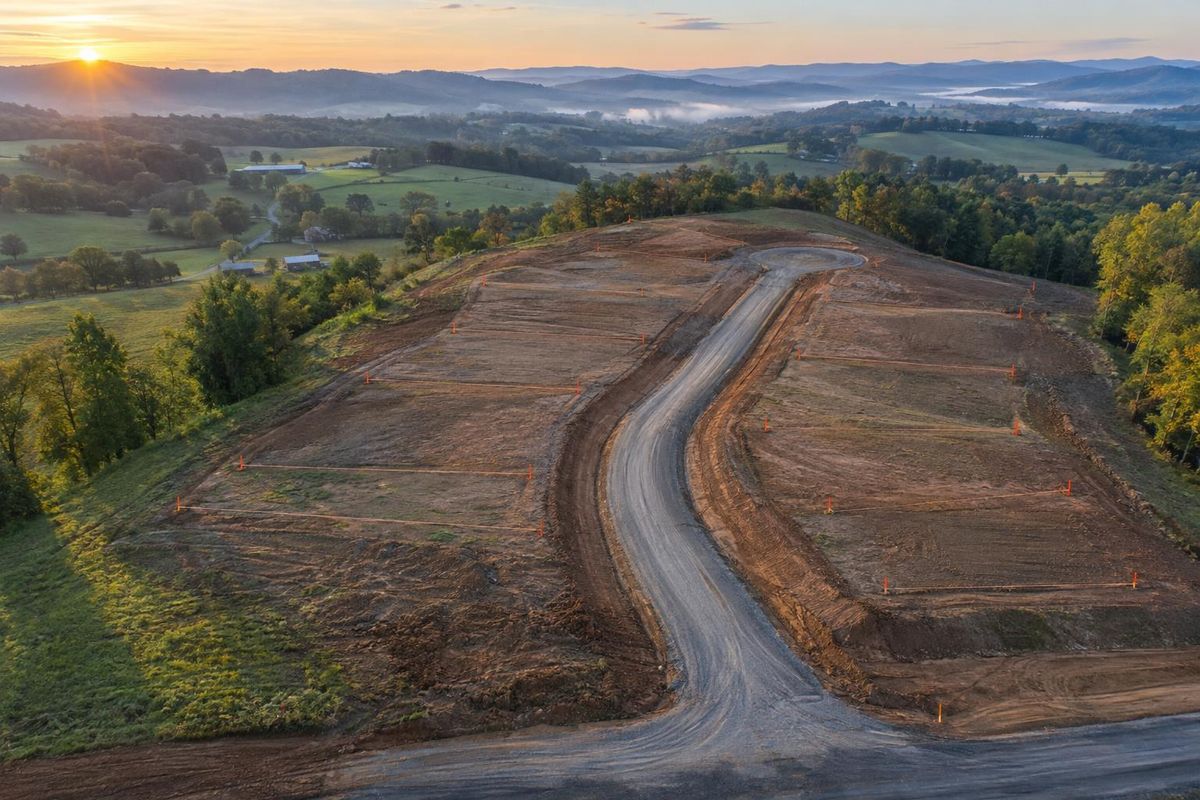
Residential development starts with finding a site and checking it. Next come zoning and approvals, then engineering and permits. After that, crews clear and grade the land and build roads, utilities and drainage. Last, homes are built on the finished lots and the community is handed to its residents.
Each stage depends on the one before. A site that fails early testing should be dropped before money goes into design. A plan that is approved but cannot get utilities cannot be built. Good developers test the hard questions first.
Who is involved
A typical project involves a developer, a land planner or architect, a civil engineer, a surveyor, a geotechnical engineer, an environmental consultant, an attorney, contractors for site work and utilities, and the builders who construct the homes. Local planning staff, utilities and inspectors review the work along the way.
The developer's job is to keep all of those people working toward one plan, answer questions quickly and keep the schedule honest.
Where projects slow down
Approvals are the most common source of delay. A rezoning, a plat or a stormwater permit can take months, and comments from reviewers can send the plan back for changes. Utility capacity and extension timing are another frequent cause.
Starting approvals early, submitting complete packages and keeping in regular contact with staff is the strongest defense.
Phasing a larger project
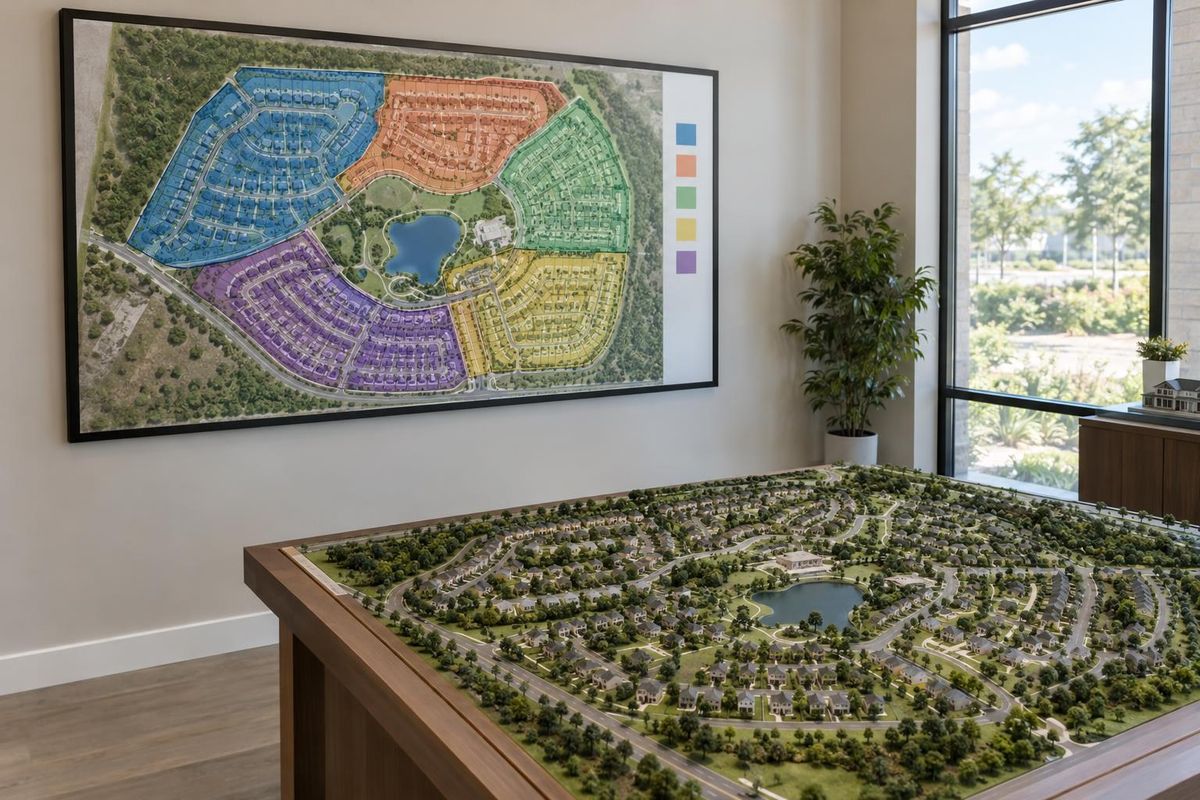
Large communities are rarely built all at once. A first phase delivers the entrance, the first streets and a block of lots. Later phases follow as the market and approvals allow. Phasing spreads out work and makes the early finished areas feel like a real neighborhood.
A phase plan also shows landowners, builders and cities what will happen when, which builds trust.
Official sites to explore
Brand names and logos belong to their owners. These links open the official websites in a new tab, and we are not affiliated with them.
- Urban Land InstituteResearch and education on land use and development.
- National Association of Home BuildersHome building industry association and resources.
- Metro Nashville PlanningPlanning and zoning for Nashville and Davidson County.
- American Planning AssociationPlanning education and professional standards.
Quick answers
How long does a development take?
Small infill projects can take a year or less from purchase to homes. Larger communities take several years because of approvals, infrastructure and phasing.
What is the difference between a developer and a builder?
A developer prepares the land and the neighborhood. A builder constructs the homes. Some companies do both.
Can a landowner be part of the process?
Yes. Landowners can sell, partner or sell in phases, and they can ask questions at any point.